Probable Human Carcinogens, IARC Study Finds
A recent IARC Monographs study has classified Atrazine and Alachlor as Group 2A “probably carcinogenic to humans”. These herbicides are widely used in agriculture, particularly in cornfields, to control weeds and improve crop yields. The study emphasizes the need for awareness, precautionary measures, and consideration of safer alternatives to protect human health.
Why Atrazine and Alachlor Are Concerning
While these herbicides are effective in weed management, long-term exposure can pose serious health risks:
1. Carcinogenic Potential
The IARC classification indicates limited evidence in humans and sufficient evidence in experimental animals, suggesting that prolonged exposure may increase cancer risk.
2. Widespread Agricultural Use
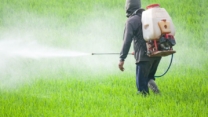
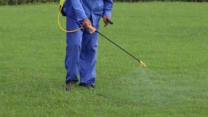
Atrazine and Alachlor are commonly applied in corn, soybean, and other cereal crops, as well as in turf management. Their extensive use raises potential exposure for farmers, agricultural workers, and nearby communities.
3. Environmental Persistence
Both chemicals can remain in soil and water, potentially affecting ecosystems and contaminating drinking water sources, further increasing indirect human exposure.

Health and Safety Recommendations
To minimize the risks associated with Atrazine and Alachlor:
-
Follow label instructions strictly when applying these herbicides.
-
Wear protective clothing including gloves, masks, and long sleeves.
-
Limit exposure by avoiding unnecessary use in home gardens or non-essential areas.
-
Monitor water sources near treated fields to prevent contamination.
-
Consider safer alternatives, such as mechanical weed control or organic herbicides.
Global Implications
The IARC classification serves as a warning for governments, agricultural industries, and consumers. Regulatory bodies may need to review usage guidelines and implement stricter safety standards. Farmers and agribusinesses are encouraged to adopt sustainable practices and explore less hazardous weed-control solutions.
Conclusion
The IARC Monographs study confirms that Atrazine and Alachlor are probably carcinogenic to humans (Group 2A). Awareness, careful handling, and the adoption of safer alternatives are crucial to minimize health risks. Sustainable weed management practices can help protect both human health and the environment while maintaining agricultural productivity.