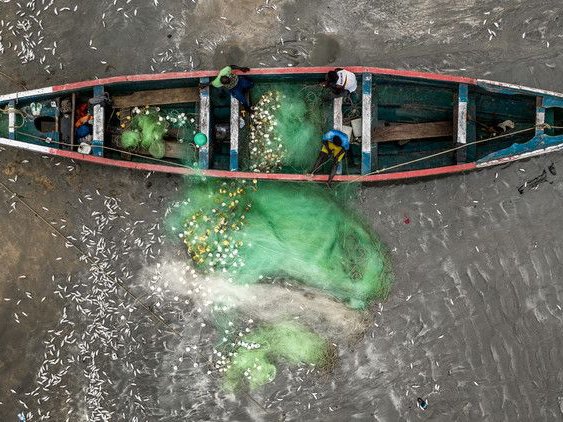
Mediterranean & Black Sea Fisheries: Sustainability Progress
The Mediterranean and the Black Sea continue to face fisheries sustainability concerns, but recent data shows promising trends. Overfishing has dropped to its lowest level in a decade, while aquaculture is increasingly helping feed growing populations. This article explores the current state of fisheries and aquaculture in these regions and their impact on the environment and food security.
Current Challenges in Fisheries
Despite progress, several challenges remain:
1. Overfishing and Stock Depletion
Although overfishing has declined, some species remain at risk due to excessive fishing pressure. Sustainable management practices are crucial to maintain healthy fish populations.
2. Ecosystem Health
Fishing activities, habitat degradation, and pollution continue to affect marine ecosystems. Protecting biodiversity is essential to ensure long-term sustainability.
3. Climate Change Impacts
Rising sea temperatures and changing ocean currents affect fish distribution and productivity. Fisheries management must adapt to these environmental changes.
Positive Developments
Several initiatives and trends are contributing to sustainability in the Mediterranean and Black Sea fisheries:
1. Decline in Overfishing
Data shows that overfishing has dropped to its lowest level in a decade, reflecting better compliance with quotas, improved monitoring, and stricter regulations.
2. Growth of Aquaculture
Aquaculture is becoming a vital source of seafood, reducing pressure on wild fish stocks. By farming fish in controlled environments, countries can meet growing demand while supporting local economies.

3. Policy and Collaboration
Regional cooperation among governments, scientific organizations, and fisheries stakeholders has strengthened sustainable management practices. Sharing knowledge and implementing science-based policies helps preserve marine resources.
Benefits of Sustainable Fisheries and Aquaculture
Sustainable fisheries and responsible aquaculture practices provide multiple benefits:
-
Food Security: Ensures consistent supply of protein for coastal populations.
-
Economic Opportunities: Creates jobs in fishing, aquaculture, and processing industries.
-
Environmental Protection: Maintains biodiversity and reduces ecosystem degradation.
Conclusion
While fisheries sustainability concerns remain in the Mediterranean and Black Sea, significant progress has been made. Overfishing has decreased to its lowest level in a decade, and aquaculture continues to feed more people. By strengthening sustainable practices, protecting ecosystems, and promoting responsible aquaculture, these regions can secure a resilient and productive future for both fisheries and coastal communities.