Weed-Control Chemicals Linked to Cancer Risk, IARC Study Finds
A recent IARC study has found that several common weed-control chemicals used on corn, turf, and lawns may pose a cancer risk. While these herbicides help manage unwanted plants and increase crop yields, growing evidence suggests that prolonged exposure can have serious health consequences. This article explains the study’s findings and offers safer alternatives.
Why These Chemicals Are Concerning
Weed-control chemicals are widely used in agriculture and landscaping, but some contain compounds that may be harmful to humans and animals. Here’s what the IARC study highlights:
1. Cancer Risk
Certain herbicides have been classified as possible or probable carcinogens. Regular exposure, especially without proper safety measures, increases the risk of developing specific cancers over time.
2. Environmental Impact
These chemicals can contaminate soil and water, affecting wildlife and beneficial insects. Overuse may disrupt ecosystems and reduce biodiversity.
3. Exposure Pathways
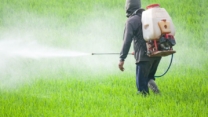
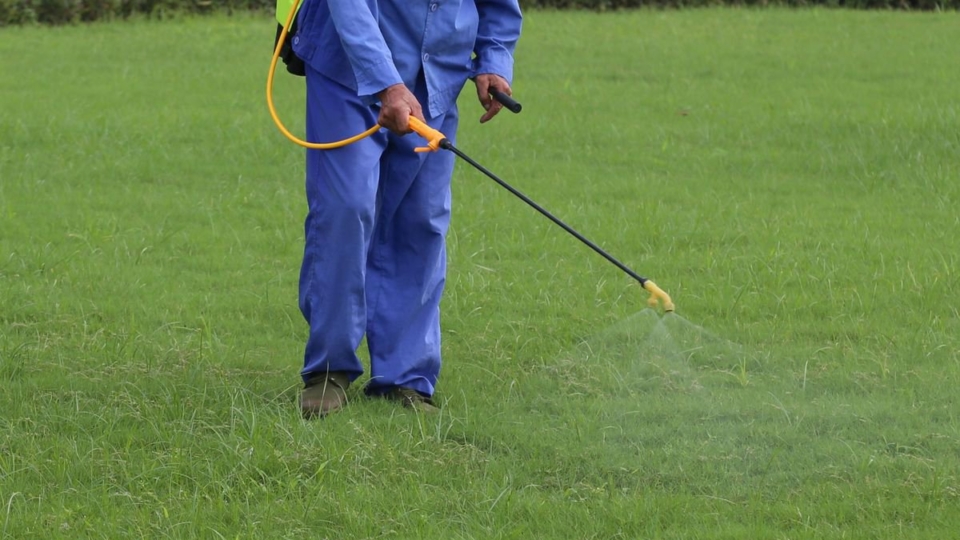
Humans can be exposed through inhalation, skin contact, or residues on treated plants. Children, pets, and farm workers are particularly vulnerable.

Chemicals Commonly Used
Some of the herbicides identified in the study are widely applied in:
-
Cornfields: Glyphosate, Atrazine
-
Turf and Lawns: 2,4-D, Dicamba, MCPA
-
Ornamental Gardens: Multiple broadleaf herbicides
The study emphasizes that even small amounts over long periods can contribute to health risks.
Safer Alternatives and Precautions
To minimize risk, experts recommend the following:
-
Use mechanical weed control like mowing, hand-pulling, or tilling.
-
Apply organic herbicides approved for home gardens.
-
Always wear protective gear (gloves, masks, and long sleeves) when handling chemicals.
-
Follow manufacturer instructions and avoid overuse.
-
Encourage natural weed management through crop rotation, mulching, and ground cover plants.
Conclusion
The IARC study confirms that common weed-control chemicals used on corn, turf, and lawns pose a cancer risk, highlighting the importance of safe handling and exploring alternatives. By adopting precautionary measures and sustainable practices, farmers, landscapers, and homeowners can reduce exposure while maintaining effective weed control.